

This week, I had a chance to meet with Wellesley students at an on-campus event and experience their passion for entrepreneurship. They had an excellent reason to be excited. Wellesley has just announced its Batchelor Feld Entrepreneurship Fellowship program.
Amy Batchelor and Brad Feld are known as a power couple in entrepreneurship, venture capital, and philanthropic circles. Amy is a Wellesley grad and Brad is an MIT grad, so creating a partnership between the two schools made sense for them.
The Batchelor Feld Fellowship program
Wellesley students will now have the opportunity to apply to the 2020 MIT delta v summer accelerator program, made possible by a grant from the Batchelor Feld Fellowship program. (Applications close Monday, March 30, 2020 at 8 pm EDT, so if you are interested, start the application process now!)
As a bit of additional background on the program founders, Brad Feld has been an early stage investor and entrepreneur since 1987. Prior to co-founding Foundry Group, he co-founded Mobius Venture Capital and, prior to that, founded Intensity Ventures. Brad is also a co-founder of Techstars. As a long-time venture capitalist who has supported entrepreneurship in the for-profit sector, he also provides his expertise and leadership to non-profits. Brad holds Bachelor of Science and Master of Science degrees in Management Science from the Massachusetts Institute of Technology.
Amy Batchelor is a writer and community leader who has been deeply involved in non-profit activity for two decades. She is the co-author of the book Startup Life: Surviving and Thriving in a Relationship with an Entrepreneur. Amy graduated from Wellesley College in 1988 with a B.A. in Political Philosophy, and she served on the Board of Trustees at Wellesley College from 2009 to 2015, and 2018 to the present.
Their generosity has enabled Wellesley students to apply to be a Batchelor Feld Entrepreneurship fellow and be full participants in the MIT delta v program in either Cambridge or New York City, alongside the MIT students.
We are excited to have Amy and Brad join our long list of generous donors that have made this program possible, including Jack and Anne Goss who helped get delta v off the ground. It is the generosity of these philanthropists and their support of entrepreneurship that allows us to continue to innovate and elevate our entrepreneurship programs.
What is delta v?
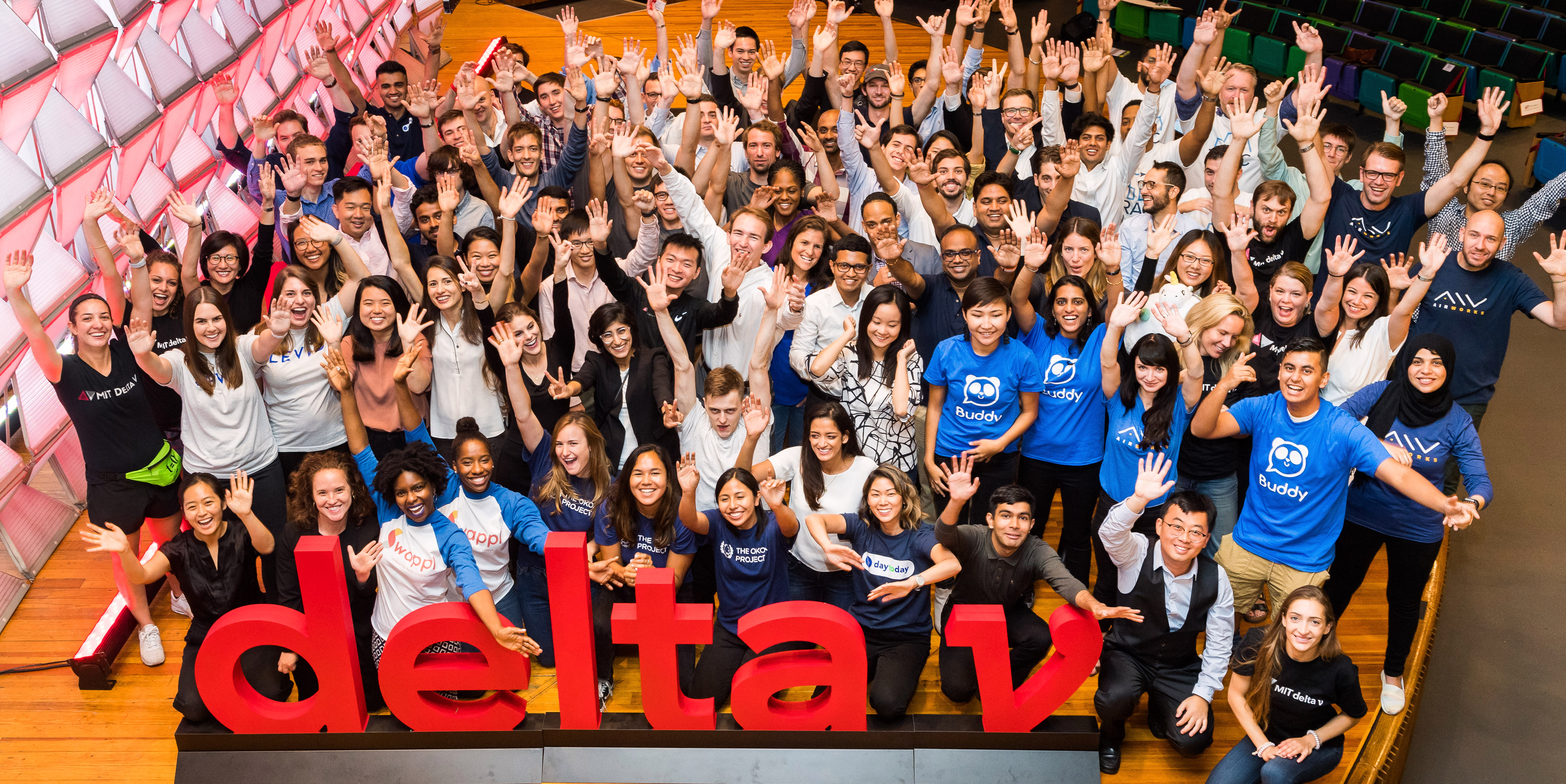
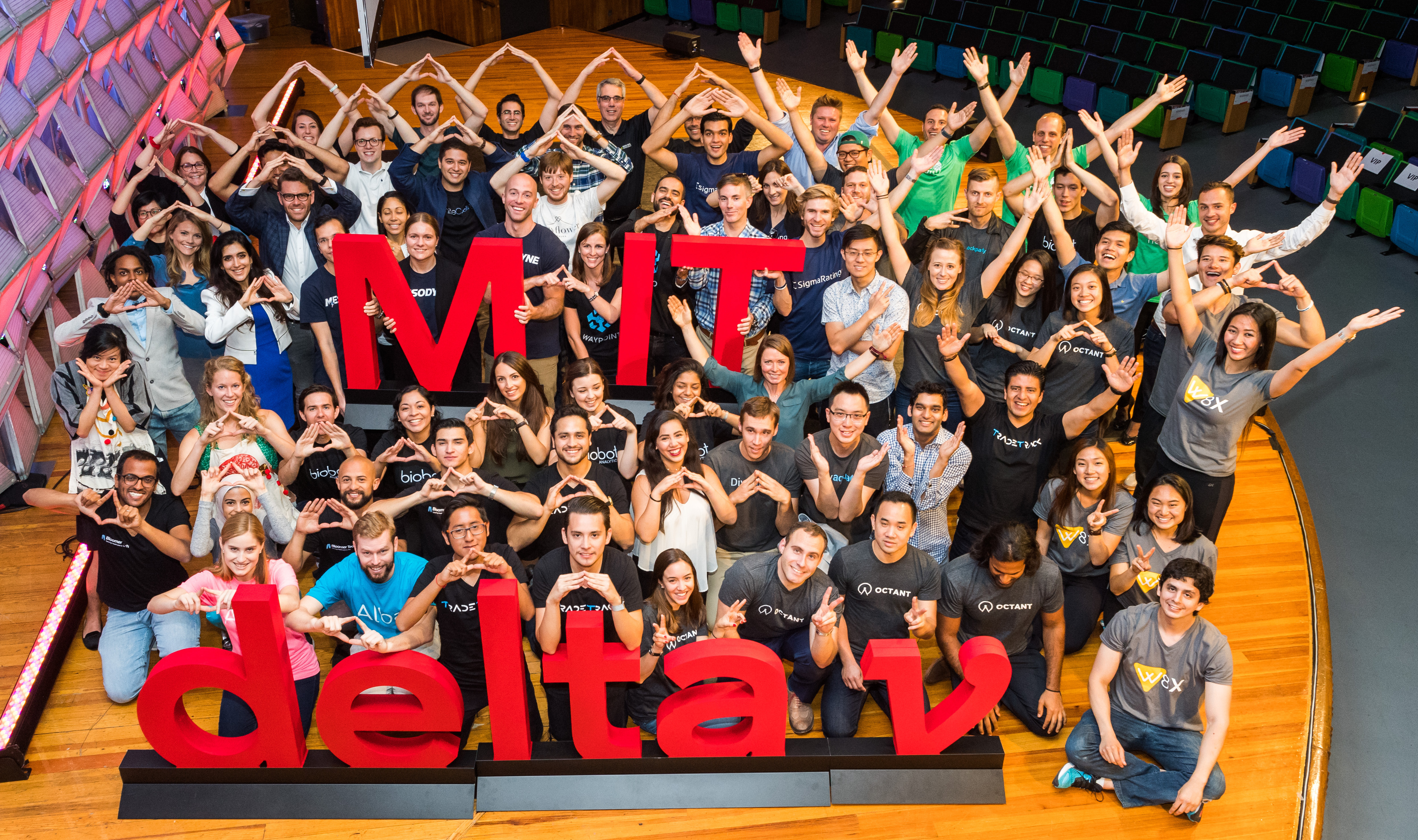
MIT delta v is MIT’s student venture accelerator, providing a capstone educational opportunity for MIT student entrepreneurs that prepares them to hit escape velocity and launch into the real world. The name delta v literally means a change in velocity, and this program has been called the gold standard of academic entrepreneurship accelerators.
From June to early September, teams work on their ventures full-time for the whole summer. Teams will define and refine their target market, conduct primary market research and build knowledge about their customers and users. They will use the Disciplined Entrepreneurship approach to building their ventures. At the end of the summer, the delta v teams formally present their startups at the culmination of the program on Demo Day.
Here are the basics to consider as students think about the program:
- All Wellesley students are eligible to apply as individuals or as a team
- Full participation in delta v in either Cambridge or New York City
- Up to $20,000 in equity-free funding available
- $2,000/month per student to cover living expenses in June, July, and August
- Monthly video mentorship meetings with Amy Batchelor and Brad Feld
- Join a cohort of peers changing the world through entrepreneurship
- Become part strong network of delta v alumni teams with a proven track record
Thanks to our Wellesley team!
I’d like to give a special thank you to Anabel Springer and Carolyn Price at Wellesley College. These two women are co-founders of NRICH Invest, a fintech startup designed to motivate college students to invest and save, and they drove the charge for this program. The pair worked as a part of the MIT Sandbox Innovation Fund’s Fall 2019 cohort, so are familiar with the benefits of the MIT entrepreneurship community, such as mentorship, funding and peer support.
In speaking about the program, Anabel Springer said, “We are ecstatic that this opportunity will provide a way for Wellesley students to engage with entrepreneurship and the larger startup community. Cheers to growing this community and supporting more women and nonbinary student founding teams. Let’s celebrate this moment for entrepreneurship!”
Carolyn Price added, “The fellowship program is an unparalleled opportunity for Wellesley student entrepreneurs to learn and create within Massachusetts Institute of Technology’s entrepreneurship accelerator program, delta v.”
In addition, Celine Christory, head of WeStart, and Tarushi Nigam Sinha, president of Wellesley Women in Business (WWIB) also supported us with this program.
Application, Deadline and Planning for Summer
As a reminder, applications are due at 8:00 pm EDT on Monday, March 30th. You can apply at: https://bit.ly/deltav-wellesley
We hope to welcome several Batchelor Feld Entrepreneurship Fellows to delta v this summer! For any questions, please email mtc-deltav20@mit.edu or visit deltav.mit.edu.
As we respond to the COVID-19 outbreak and make every effort to keep our students, faculty and staff healthy, both MIT and Wellesley are conducting classes virtually for the remainder of the Spring 2020 semester.
Our physical space at the Martin Trust Center for MIT Entrepreneurship is currently closed, but we have committed to making delta v a reality this year and are still exploring different formats if they are needed. We will keep our applicants and the Entrepreneurship community updated.
 The Martin Trust Center for MIT Entrepreneurship continuously finds new ways to encourage, advise, and champion aspiring entrepreneurs as they take new ventures from idea to reality. The Center’s goals are high, as are its needs; it provides the most innovative opportunities for learning and expands MIT’s global entrepreneurship ecosystem, but it depends on the support of philanthropic partners.
 were always a willing set of mentors who helped me at critical points – for this, I am very thankful. At MIT, we teach a
  Another
  On June 12, we’ll open the doors to this summer’s
  which focused on deep tech and what governments, universities, entrepreneurs, and corporations are doing to speed research from R&D labs to make a real impact on society. I was fortunate enough to spend time with entrepreneurs, potential entrepreneurs, and those supporting entrepreneurship in the Nordics, and the experience taught me quite a lot – including not to filter my view of entrepreneurship with a US-centric lens.
 worker also receives free health insurance in a system that produces longer life expectancy and lower infant mortality rates than in America. At age 67, workers get a government pension of up to 66 percent of their working income.
 make necessary investments for the future, we have a strong growth of entrepreneurial focus and companies. This is all about how we prioritize, reposition investments, build competence, and have the guts to make important, and maybe radical, political decisions today to secure tomorrow.”
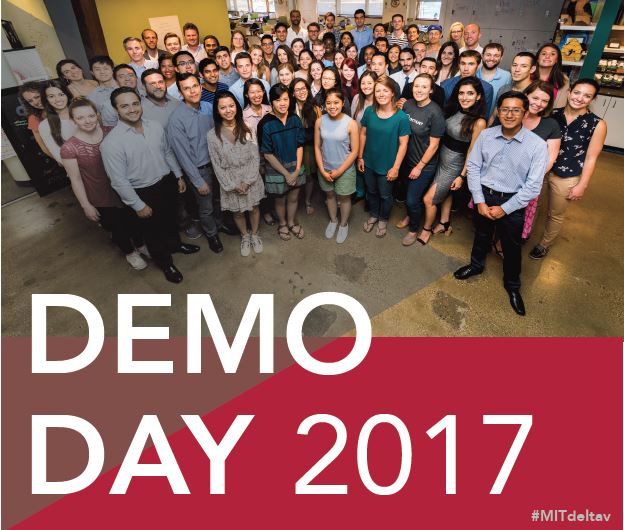 Are you ready to be inspired? MIT’s student venture accelerator,
 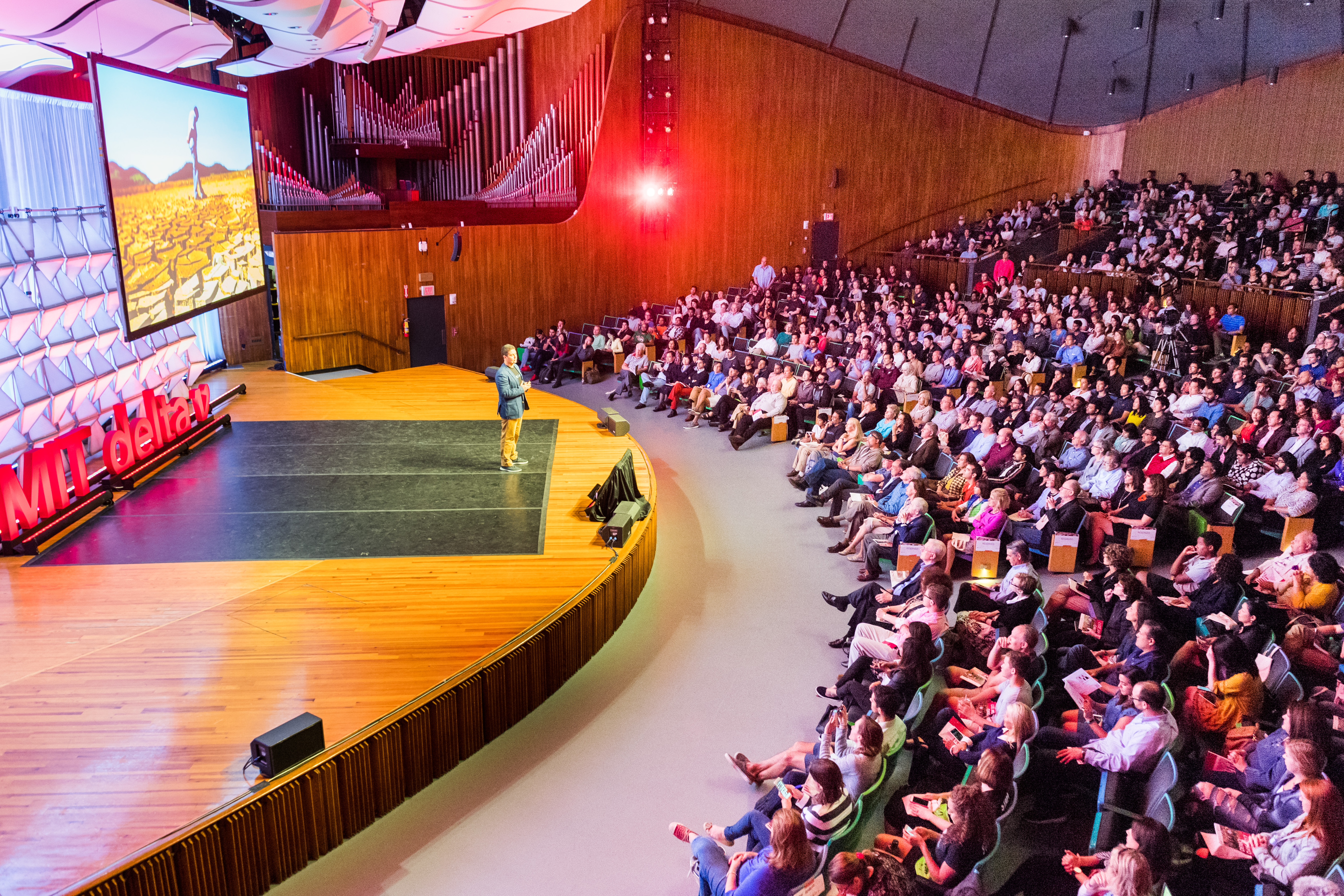 Here’s a brief overview of each startup that presented at Demo Day (in alphabetical order). Remember them. It’s likely you’ll be able to point back and say, “I saw them when they were just a startup at MIT…”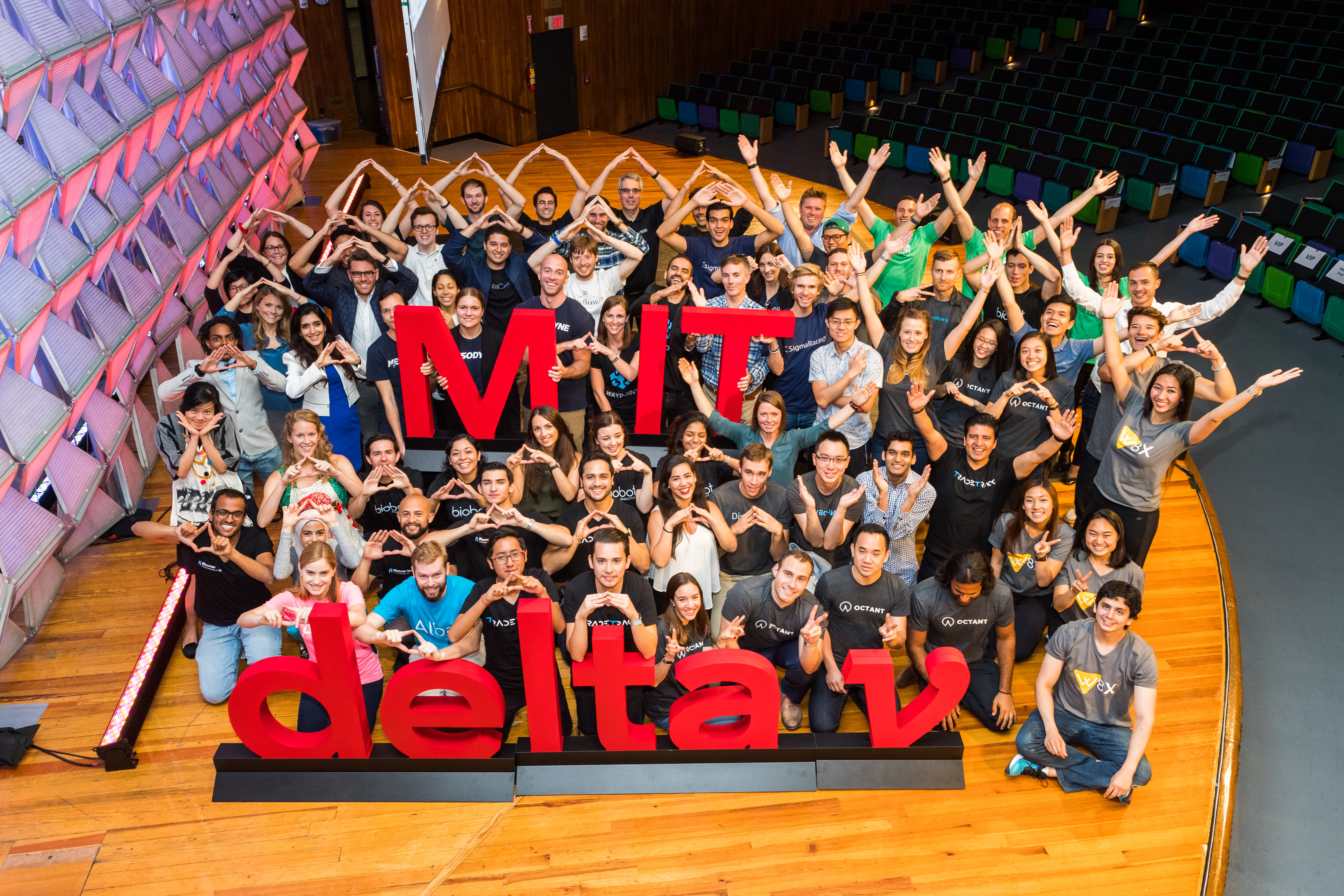
 Gender bias is sneaky. It’s often subtle, yet pervasive – and the effects are far reaching.
 “As an engineer, I started asking questions about how things work. I wondered ‘Who is going to fix these big problems in the world?’ Then, it dawned on me … I can help fix these problems.”
 Trish Cotter