
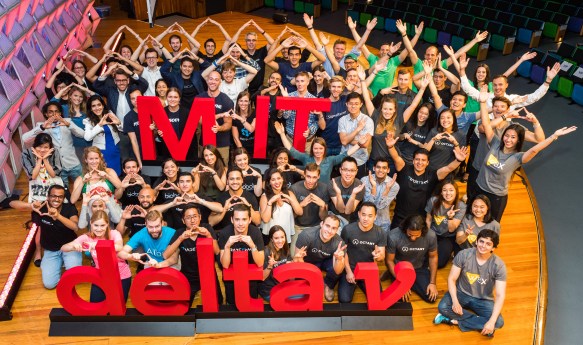
 On June 12, we’ll open the doors to this summer’s delta v cohort, beginning an intensive 3-month entrepreneurial “boot camp” for MIT student entrepreneurs. This post looks at the culture of delta v and how this environment helps to grow entrepreneurs.
The saying “culture eats strategy for breakfast” is attributed to management guru Peter Drucker and was made famous by Mark Fields, president at Ford Motor Company. It speaks to how vital culture is in an organizational setting. At MIT, Professor Bill Aulet has written an article that explains why, as an organization, we believe culture is essential for entrepreneurs.
For delta v, MIT’s capstone student venture accelerator, we create a culture of entrepreneurship that is all about risk-taking and the freedom to make mistakes. Although delta v operates out of a cool space with a startup feel, it’s about more than the free coffee and ramen noodles or the walls you can write on. The vibe of delta v is different because of the people inside it and the meaningful work they do. If you’re one of the fortunate student teams accepted into the summer-long “entrepreneurship boot camp,” you’ll be surrounded by smart people all working on new companies with big goals. During the summer, the teams will be working in small cohorts in similar fields and will also participate in being part of a greater cohort, where a true sense of teamwork and collaboration is established.
The staff at delta v know they are assisting students who are making a positive impact in the world. In this experimental culture, failure is expected because students are encouraged to take risks and stretch to their full potential. This is a safe zone to try new ideas and the disciplined entrepreneurship framework provides a basis and common language for the staff to work with students. The framework isn’t a hard and fast set of rules, but it’s more like a common operating system that guides all of the teams.
As part of the culture of delta v, we also bring in the outside community to meet and assess the student teams from an educational perspective – not to look for deal flow but to participate in the students’ learning experience. A key milestone for MIT delta v teams is meeting with their board of directors and gaining valuable input from these advisors. This year we are also starting a delta v cohort in New York City to expose students to a network that is relevant for their company, for example, fintech, real estate, fashion, media, the arts – but, again, with a common operating system. As students gain experiences throughout the summer, they also build trust and respect within the greater Boston and New York communities that will be important as they launch their companies.
Six elements of the delta v culture are shaped by our principles at the Martin Trust Center for MIT Entrepreneurship:
- MIT Standard of Excellence and Rigor – The delta v teams receive not only the highest quality education, but also the highest quality advising, and practical experiences as well.
- Collaboration – By partnering with various departments and centers within MIT and the greater community these startups will be prepared to collaborate for the success of their businesses.
- Diversity – Encouraging a wide variety of perspectives, people, and ways of doing things mean that new ideas and concepts are examined from many angles and the diverse contributions make each company stronger.
- Experimentation – delta v is the place to “fail forward” and try everything in a supportive environment.
- Honest Broker – Since MIT does not take a financial stake in the delta v startups, our focus is solely on nurturing and assisting the education of the entrepreneur.
- Mens et Manus – MIT’s motto, “mind and hand,” fuses academic and practitioner perspectives for a well-rounded entrepreneur.
The way the Martin Trust Center shapes the culture within delta v will be reflected by each of the entrepreneurs and their ventures. Good or bad, all our past experiences come into play as we create something new. Sometimes we choose aspects of a culture we want to emulate. Other times, we actively realize that a certain way of doing things is something we want to avoid. Many of the delta v teams will go on to become successful entrepreneurs that help to solve some of the world’s toughest problems. (Read about some of them in the news here.)
We hope that each student and team carries forth the culture of delta v.
 which focused on deep tech and what governments, universities, entrepreneurs, and corporations are doing to speed research from R&D labs to make a real impact on society. I was fortunate enough to spend time with entrepreneurs, potential entrepreneurs, and those supporting entrepreneurship in the Nordics, and the experience taught me quite a lot – including not to filter my view of entrepreneurship with a US-centric lens.
 worker also receives free health insurance in a system that produces longer life expectancy and lower infant mortality rates than in America. At age 67, workers get a government pension of up to 66 percent of their working income.
 make necessary investments for the future, we have a strong growth of entrepreneurial focus and companies. This is all about how we prioritize, reposition investments, build competence, and have the guts to make important, and maybe radical, political decisions today to secure tomorrow.”
 Call it the problem of the middle—the middle states and the middle class—two groups that have struggled with problems that, while they are inexorably linked, are different all the same.
 I have recently been catching up with colleagues from companies past, and when I let them know what I am doing now, I often get the reaction, “Wow! That’s such a cool job.” And it is … I’m fortunate to be the director of
  The organization I worked at most recently, prior to MIT, was IBM – a company that is trying to bring data analytics insights to companies, so they can address real world problems. The complexity of what both our MIT startups and IBM are doing, albeit in different ways, struck me. Are they so different? I have deep respect for IBM’s CEO, Ginni Rometty, who is moving a company the size of a small nation. However, the leaders of the MIT three-person startups are also scaling difficult challenges and placing bets with tremendous odds of failure.
 Is MIT any different than a corporation? The complexities of a university rival corporations, but the opportunity to be immersed in new technology brings me back to my days at Honeywell. Working with our startup teams, I feel like a first year engineer every day. The
  Are you ready to be inspired? MIT’s student venture accelerator,
 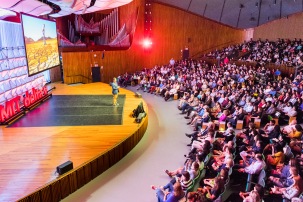 Here’s a brief overview of each startup that presented at Demo Day (in alphabetical order). Remember them. It’s likely you’ll be able to point back and say, “I saw them when they were just a startup at MIT…”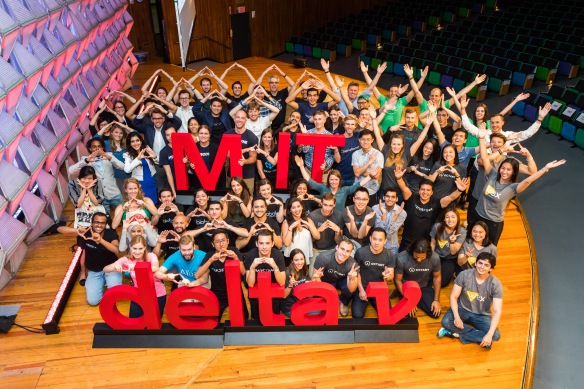
 Gender bias is sneaky. It’s often subtle, yet pervasive – and the effects are far reaching.

 “As an engineer, I started asking questions about how things work. I wondered ‘Who is going to fix these big problems in the world?’ Then, it dawned on me … I can help fix these problems.”
 Trish Cotter